About us
THE Ibadan Recreation Club (1902) formally Ibadan European Club holds a Registration Certificate No. 40 of 1930. In the year 1950, the Ibadan European Club became the Ibadan Recreation Club. Later, in the year 2002, through an amendment to the Constitution, the Ibadan Recreation Club became the Ibadan Recreation Club (1902). In line with CAMA 2020, the Club now holds a renewed registration No. 40 dated 29th day of July, 2022.
The Ibadan European Club, which emerged from the British presence in Ibadan, served only the British. Much later, the African Club also later emerged to serve the Africans. It is amusing to note that at this time, the Syrians and Lebanese led by RS Moukarin, who had been in Ibadan since 1926 with L. Bouari, the President of the Syrian Lebanese Union, applied for land to be used for the construction of their own recreation facility since they were not allowed into the European Club or the African Club. In July 1947, the union was granted a piece of Crown land on the outskirts of the city for their recreation club which gave birth to the Lebanese Club of Ibadan.

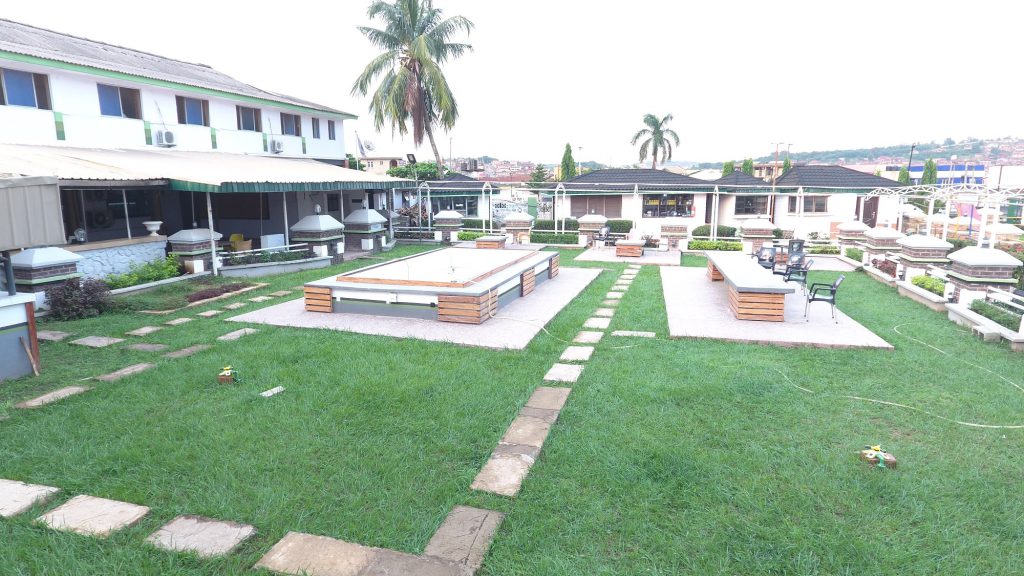
In addition to the Sections for sporting and recreation activities, Ibadan Recreation Club is equipped with many other facilities for social and relaxation activities of members, their families and friends.
Over time, the membership of the Club was drawn from the Civil Service, government parastatals, the private sector, tertiary and health institutions, the Armed Forces, the Police, international organizations, the media and from among successful businessmen and professionals. Today, men and women of repute and honour, cutting across race, religion and professions interact daily as one family in an atmosphere of peace, tranquility and equality in the Club.
“… It wasn't until late in 1957 that three Nigerian elites were able to get their way into the Club (IRC). Chief Anthony Enahoro, the then Regional Minister of Home Affairs, fought for the membership of the Nigerians in the Club in the then Western Region House of Assembly”. - I.A. KING, MARCH, 2002.
Over time, the membership of the Club was drawn from the Civil Service, government parastatals, the private sector, tertiary and health institutions, the Armed Forces, the Police, international organizations, the media and from among successful businessmen and professionals. Today, men and women of repute and honour, cutting across race, religion and professions interact daily as one family in an atmosphere of peace, tranquility and equality in the Club.